araby world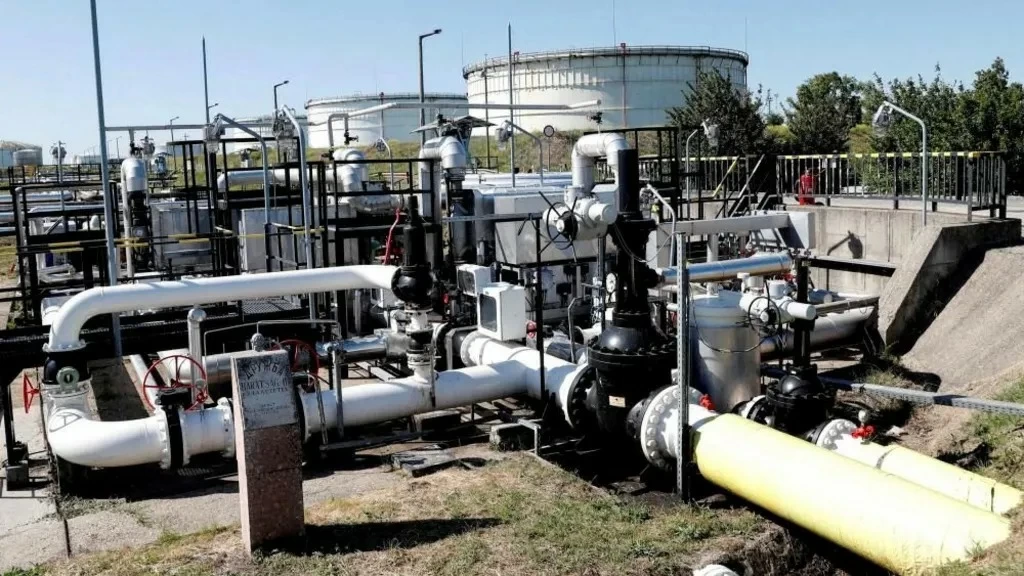
أعلنت أوكرانيا، اليوم (الأربعاء) استئناف ضخ النفط الروسي عبر أحد خطوط الأنابيب باتجاه كل من المجر وسلوفاكيا، منهيةً بذلك أزمة استمرت لأشهر وأثرت على إقرار قرض أوروبي ضخم بقيمة 90 مليار يورو يُعد حيويًا لدعم كييف.
وبعد ساعات من استئناف الضخ، وافق سفراء الاتحاد الأوروبي خلال اجتماع في بروكسل بشكل مبدئي على القرض، إلى جانب حزمة العقوبات العشرين ضد روسيا، على أن يتم اعتماد القرار رسميًا في وقت قريب.
وكان القرض قد أُقر مبدئيًا في ديسمبر الماضي، إلا أن رئيس الوزراء المجري السابق فيكتور أوربان عرقل صرفه في فبراير، بعد توقف إمدادات النفط نتيجة أضرار سببتها هجمات روسية داخل أوكرانيا.
وبحسب شبكة BBC، أكدت مصادر أوكرانية أن أعمال إصلاح خط الأنابيب قد اكتملت، ما سمح بإعادة تشغيله، وهو ما كان شرطًا أساسيًا وضعه أوربان لرفع الفيتو عن القرض.
ويأتي هذا التطور أيضًا في ظل تغيّر سياسي في المجر، بعد خسارة أوربان الانتخابات مؤخرًا، وصعود بيتر ماجيار الذي تعهد بإعادة تحسين العلاقات مع الاتحاد الأوروبي.
من جانبها، قالت مسؤولة السياسة الخارجية في الاتحاد الأوروبي كايا كالاس إن القرض «ضروري للغاية لأوكرانيا»، ويبعث برسالة مفادها أن روسيا لن تتمكن من استنزاف كييف.
بدوره، وصف نائب رئيس الوزراء الأوكراني تاراس كاشكا التمويل بأنه «مسألة حياة أو موت»، موضحًا أن نحو ثلثي القرض سيُخصص لتعزيز القدرات الدفاعية، فيما سيُستخدم الباقي لدعم الاقتصاد.
وأفادت وزيرة الاقتصاد السلوفاكية دينيسا ساكوفا بأن شركة تشغيل الطاقة الأوكرانية بدأت بالفعل في إعادة الضغط إلى خط أنابيب دروجبا، تمهيدًا لاستئناف تدفق النفط، لأول مرة منذ 27 يناير.
كما أعلنت شركة الطاقة المجرية «مول» أنها تتوقع وصول أولى الشحنات في أقرب وقت.
وكانت صور أقمار صناعية قد أظهرت أضرارًا كبيرة في منشآت نفطية غرب أوكرانيا نتيجة قصف روسي، بينما أكدت كييف أن فرقها الهندسية تعرضت لهجمات أثناء تنفيذ أعمال الإصلاح.
وفي المقابل، صعّدت أوكرانيا من هجماتها على منشآت الطاقة داخل روسيا، مستهدفة مواقع مرتبطة بخط الأنابيب ذاته.
وكانت خطوة أوربان بعرقلة القرض قد أثارت غضب قادة الاتحاد الأوروبي، خاصة أنه يُنظر إليه على أنه أحد أقرب الحلفاء الأوروبيين للرئيس الروسي فلاديمير بوتين.
من جانبه، أكد الرئيس الأوكراني فولوديمير زيلينسكي أنه ناقش مع رئيسة المفوضية الأوروبية أورسولا فون دير لاين ورئيس المجلس الأوروبي أنطونيو كوستا سبل إنهاء الأزمة، مشددًا على أنه «لم يعد هناك أي مبرر لتعطيل القرض».
ورغم هذا التقدم، تشير تقارير أوكرانية إلى أن وصول التمويل إلى كييف قد يستغرق عدة أسابيع.
Ukraine announced today (Wednesday) the resumption of Russian oil pumping through one of the pipelines towards Hungary and Slovakia, thus ending a crisis that lasted for months and affected the approval of a massive European loan worth 90 billion euros, which is vital for supporting Kyiv.
Hours after the resumption of pumping, EU ambassadors agreed in principle during a meeting in Brussels on the loan, alongside the twenty sanctions package against Russia, with the decision set to be officially adopted soon.
The loan was initially approved last December, but former Hungarian Prime Minister Viktor Orbán obstructed its disbursement in February, following the halt of oil supplies due to damage caused by Russian attacks within Ukraine.
According to the BBC, Ukrainian sources confirmed that the repair work on the pipeline has been completed, allowing it to be restarted, which was a prerequisite set by Orbán for lifting the veto on the loan.
This development also comes amid a political change in Hungary, following Orbán’s recent electoral defeat and the rise of Péter Márki-Zay, who pledged to improve relations with the European Union.
For her part, EU foreign policy chief Kaia Kallas stated that the loan is “extremely necessary for Ukraine,” sending a message that Russia will not be able to drain Kyiv.
In turn, Ukrainian Deputy Prime Minister Taras Kachka described the funding as a “matter of life or death,” explaining that about two-thirds of the loan will be allocated to enhancing defense capabilities, while the remainder will be used to support the economy.
Slovak Economy Minister Denisa Saková reported that the Ukrainian energy operating company has already begun to restore pressure to the Druzhba pipeline, in preparation for the resumption of oil flow for the first time since January 27.
The Hungarian energy company “MOL” also announced that it expects the first shipments to arrive soon.
Satellite images had shown significant damage to oil facilities in western Ukraine due to Russian shelling, while Kyiv confirmed that its engineering teams were targeted during repair operations.
In contrast, Ukraine has intensified its attacks on energy facilities within Russia, targeting sites linked to the pipeline itself.
Orbán’s move to obstruct the loan had angered EU leaders, especially since he is seen as one of President Vladimir Putin’s closest European allies.
For his part, Ukrainian President Volodymyr Zelensky confirmed that he discussed with European Commission President Ursula von der Leyen and European Council President Antonio Costa ways to end the crisis, emphasizing that “there is no longer any justification for delaying the loan.”
Despite this progress, Ukrainian reports indicate that the arrival of funding to Kyiv may take several weeks.
المصدر:
عرض الخبر من المصدر




 alsaif