araby world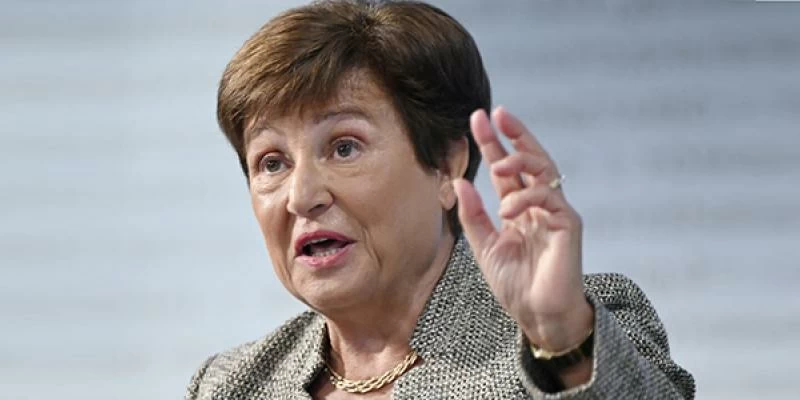
جاءت تصريحات غورغييفا خلال مقابلة مع شبكة «CBS News» الأمريكية، اطلعت عليها «العربية Business»، وأوضحت أن هذه الصدمة تتسم بطابع عالمي وغير متكافئ، إذ تختلف آثارها من دولة إلى أخرى تبعاً لمدى قربها من الصراع واعتمادها على واردات الطاقة وقدرتها المالية على امتصاص الصدمات.
وأشارت غورغييفا إلى أن العديد من الدول الآسيوية كانت الأكثر تضرراً، إذ لجأت كوريا الجنوبية إلى ترشيد استهلاك الطاقة، بينما فرضت الهند إجراءات لتقنينها، وأعلنت الفلبين حالة طوارئ وطنية في قطاع الطاقة، في حين واجهت أستراليا نقصاً في الوقود.
ولفتت إلى أن نقص الهيليوم القادم من قطر أثّر في صناعات حيوية مثل أشباه الموصلات والأجهزة الطبية، إضافة إلى تراجع إمدادات الأسمدة، ما يهدد بارتفاع أسعار الغذاء عالمياً.
ونبهت إلى تأثر التحويلات المالية من دول الخليج إلى بلدان مثل الهند وبنغلاديش، فضلاً عن تضرر قطاع السياحة، خصوصاً في سريلانكا التي يمر ثلث رحلاتها الجوية عبر منطقة الخليج.
وأوضحت غورغييفا أن الولايات المتحدة تُعد أقل تأثراً بالأزمة مقارنة بغيرها من الدول، نظراً لكونها مُصدّراً للطاقة، إلا أن ارتفاع الأسعار ينعكس على التضخم ويؤخر عودته إلى المستويات المستهدفة، وهو ما يشكل عبئاً إضافياً على أصحاب الدخل المنخفض، ويمثل ما يشبه «ضريبة» غير مباشرة على دخولهم.
وأكدت مديرة الصندوق أن تأثيرات الأزمة «أصبحت أمراً واقعاً»، مشيرة إلى تعرض 72 منشأة للطاقة لأضرار، ثلثها جسيمة، وهو ما سيؤدي إلى استمرار الضغوط على الإمدادات.
ولفتت إلى أن استعادة الطاقة الإنتاجية الكاملة لبعض الحقول، مثل حقل غاز في قطر، قد تستغرق ما بين ثلاث إلى خمس سنوات، كما أن توقف المصافي عن العمل نتيجة نقص الإمدادات يتطلب وقتاً لإعادة التشغيل.
وشددت غورغييفا على أن أسعار الطاقة لن تعود سريعاً إلى مستوياتها السابقة حتى في حال التوصل إلى اتفاق سلام، بسبب التأثيرات المتراكمة على سلاسل الإمداد والبنية التحتية، متوقعة أن يستمر الضغط على أسعار الوقود وتذاكر الطيران خلال الفترة القادمة.
Georgieva’s statements came during an interview with the American network “CBS News,” which “Al Arabiya Business” reviewed, where she explained that this shock is characterized by a global and uneven nature, as its effects vary from country to country depending on their proximity to the conflict, their reliance on energy imports, and their financial capacity to absorb shocks.
She pointed out that many Asian countries were the most affected, as South Korea resorted to energy consumption rationalization, while India imposed measures to ration it, and the Philippines declared a national emergency in the energy sector, while Australia faced a fuel shortage.
She noted that the shortage of helium coming from Qatar has affected vital industries such as semiconductors and medical devices, in addition to a decline in fertilizer supplies, which threatens to raise food prices globally.
She warned of the impact on remittances from Gulf countries to nations like India and Bangladesh, as well as the damage to the tourism sector, especially in Sri Lanka, where a third of its flights pass through the Gulf region.
Georgieva explained that the United States is less affected by the crisis compared to other countries, as it is an energy exporter, but rising prices are reflected in inflation and delay its return to targeted levels, which poses an additional burden on low-income earners, representing what is akin to an indirect “tax” on their incomes.
The Managing Director of the fund confirmed that the effects of the crisis have “become a reality,” noting that 72 energy facilities have been damaged, a third of which are severe, which will lead to continued pressure on supplies.
She pointed out that restoring full production capacity for some fields, such as a gas field in Qatar, may take between three to five years, and that the shutdown of refineries due to supply shortages requires time for restart.
Georgieva stressed that energy prices will not return quickly to their previous levels even if a peace agreement is reached, due to the cumulative effects on supply chains and infrastructure, expecting that pressure on fuel prices and airline tickets will continue in the coming period.
المصدر:
عرض الخبر من المصدر