araby world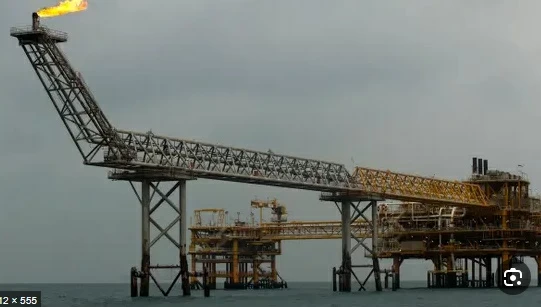
وتقدر الاحتياطات التي يحويها بنحو 51 تريليون م3 من الغاز القابل للاستخدام، وهو ما يكفي لتلبية احتياجات العالم 13 عاماً.
ويقع حقل بارس الجنوبي في الخليج بين إيران وقطر، وهو أكبر حقل غاز طبيعي بحري في العالم.
وتشير إحصاءات منظمة (أوبك) إلى أن إجمالي احتياطيات إيران المؤكدة من الغاز الطبيعي تبلغ 34 تريليون م3. ويدعم الحقل مكانة إيران كأكبر منتج للغاز في الشرق الأوسط وثالث أكبر منتج في العالم.
ويوفر الحقل معظم الغاز الذي تستخدمه إيران (70% إلى 75% من الإنتاج). ويستهلك أكثر من 90% محلياً في الطهي والتدفئة، ويتم توليد نحو 85% من الكهرباء في إيران بواسطة محطات تعمل بالغاز. وعندما تعاني إيران نقصاً، يمكنها حرق الديزل وزيت الوقود في محطاتها.
لا تمتلك إيران قدرات لتسييل الغاز، وتصدره فقط عبر خطوط الأنابيب. وصدرت في 2024 نحو 15 مليار م3 لتركيا والعراق.
وأفاد مسؤول عراقي رفيع أن تدفق الغاز الإيراني للعراق توقف بعد هجوم الأربعاء، إذ حولت إيران الغاز إلى السوق المحلية.
It is estimated that the reserves contain about 51 trillion cubic meters of usable gas, enough to meet the world’s needs for 13 years.
The South Pars field is located in the Gulf between Iran and Qatar, and it is the largest offshore natural gas field in the world.
Statistics from OPEC indicate that Iran’s total proven natural gas reserves amount to 34 trillion cubic meters. The field supports Iran’s position as the largest gas producer in the Middle East and the third largest producer in the world.
The field provides most of the gas used by Iran (70% to 75% of production). More than 90% is consumed domestically for cooking and heating, and about 85% of electricity in Iran is generated by gas-fired plants. When Iran faces shortages, it can burn diesel and fuel oil in its plants.
Iran does not have liquefied natural gas capabilities and only exports it via pipelines. In 2024, it exported about 15 billion cubic meters to Turkey and Iraq.
A senior Iraqi official reported that the flow of Iranian gas to Iraq stopped after Wednesday’s attack, as Iran redirected the gas to the domestic market.
المصدر:
عرض الخبر من المصدر