araby world
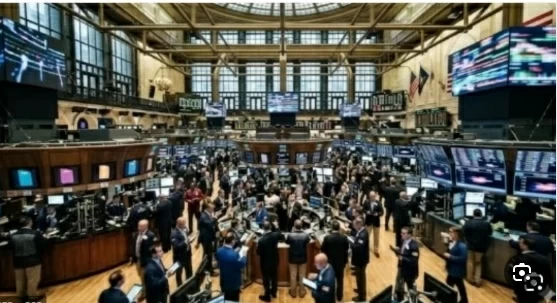
وخلال جلسة استماع عُقدت أمس، في محكمة التجارة الدولية الأمريكية في مانهاتن، دعا محامو الولايات والشركات هيئة القضاة إلى تعليق قرار ترمب الصادر في 24 فبراير الماضي فوراً، الذي فرض ضريبة بنسبة 10% على الواردات.
وتتعلق القضية الجديدة باستخدام ترمب للمادة 122 من قانون التجارة لعام 1974، وهي مادة لم يُسبق تفعيلها. وكان ترمب قد أعلن عزمه رفع هذه الرسوم إلى 15%.
وجاء إصدار رسوم جمركية استناداً للمادة 122 بعد أن ألغت المحكمة العليا في 20 فبراير الماضي مجموعة سابقة من الرسوم العالمية التي فرضها ترمب استناداً إلى قانون مختلف هو «قانون السلطات الاقتصادية الطارئة الدولية».
وخلص القضاة إلى أن هذا القانون لا يمنح الرئيس صلاحية فرض رسوم جمركية، فيما يتصاعد حالياً نزاع في المحكمة ذاتها بشأن إمكانية إعادة ما يصل إلى 170 مليار دولار من الرسوم المدفوعة.
وتطرح الولايات في الدعوى الجديدة الحجة نفسها، وهي أن الرئيس يستخدم قانوناً غامضاً بطريقة لم يقصدها الكونغرس الأمريكي لفرض رسوم جمركية.
وقال محامي ولاية أوريغون براين مارشال، التي تقود الدعوى إلى جانب ولايات أخرى:«إن المادة 122 تسمح للرئيس بفرض رسوم محدودة فقط لمعالجة ما»عجز ميزان المدفوعات«.
وأشار إلى أن ترمب يخلط بشكل غير صحيح بين هذا المصطلح والعجز التجاري الأمريكي لتبرير استخدام القانون.
وأوضح مارشال أن الكونغرس في عام 1974 كان سيعرّف عجز ميزان المدفوعات باستخدام مؤشرات اقتصادية لم تعد ذات صلة اليوم، لأنها كانت تنطبق فقط على نظام سعر صرف ثابت مثل معيار الذهب.
وقال مارشال أمام هيئة القضاة الثلاثة:» جميع هذه المؤشرات تتعلق بقدرة الولايات المتحدة الأمريكية، من منظور البنك المركزي الأمريكي، على امتلاك احتياطيات كافية للحفاظ على سعر صرف ثابت، وهو أمر لم تعد الولايات المتحدة الأمريكية تعمل به منذ أكثر من 50 عاماً؛ لذلك، لم يعد هناك أي غرض فعلي لذلك، ولم تعد احتياطيات الذهب ذات صلة بهذا السياق”.
During a hearing held yesterday at the U.S. International Trade Court in Manhattan, attorneys for the states and businesses called on the judges to immediately suspend Trump’s decision issued on February 24, which imposed a 10% tax on imports.
The new case concerns Trump’s use of Section 122 of the Trade Act of 1974, a provision that has never been activated before. Trump had announced his intention to raise these tariffs to 15%.
The issuance of tariffs based on Section 122 came after the Supreme Court on February 20 overturned a previous set of global tariffs imposed by Trump based on a different law, the “International Emergency Economic Powers Act.”
The judges concluded that this law does not grant the president the authority to impose tariffs, while a dispute is currently escalating in the same court regarding the possibility of refunding up to $170 billion in paid tariffs.
The states in the new lawsuit present the same argument, asserting that the president is using an ambiguous law in a manner not intended by the U.S. Congress to impose tariffs.
Oregon Attorney Brian Marshall, who is leading the lawsuit alongside other states, stated: “Section 122 allows the president to impose limited tariffs only to address what is a ‘balance of payments deficit.’
He pointed out that Trump is incorrectly conflating this term with the U.S. trade deficit to justify the use of the law.
Marshall explained that Congress in 1974 would have defined a balance of payments deficit using economic indicators that are no longer relevant today, as they only applied to a fixed exchange rate system like the gold standard.
Marshall told the three-judge panel: “All of these indicators relate to the ability of the United States, from the perspective of the U.S. central bank, to maintain sufficient reserves to sustain a fixed exchange rate, which the United States has not operated under for more than 50 years; therefore, there is no actual purpose for it, and gold reserves are no longer relevant in this context.”
المصدر:
عرض الخبر من المصدر