araby world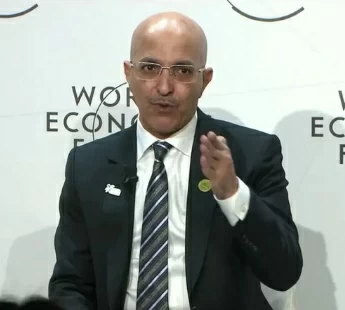
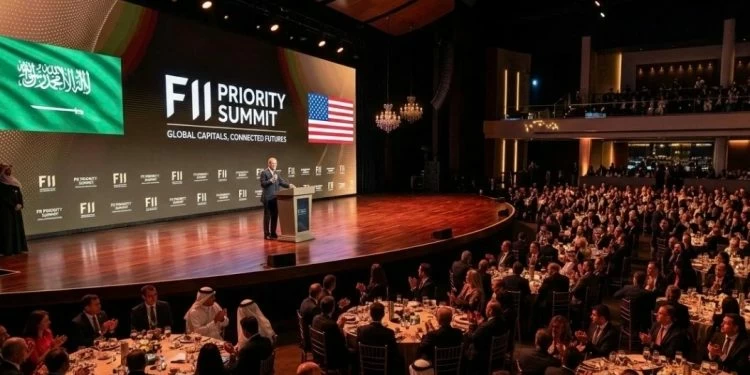
جاء ذلك خلال جلسة حوارية شارك فيها الوزير ضمن فعاليات مبادرة مستقبل الاستثمار المنعقدة في ميامي الأمريكية.
وقال الوزير: «إن النفط ليس هو القطاع الأكثر تضرراً من تداعيات الحرب الدائرة، بل المنتجات المكررة، والأسمدة، والصلب، والألومنيوم، والبتروكيماويات، وغيرها، وهي التي نحتاج حقاً إلى ضمان حل النزاع فيها بسرعة، والعمل معاً على ذلك حتى لا يتأثر الاقتصاد العالمي بشكل أكبر».
وأضاف: «ما شهدناه في الأسابيع القليلة الماضية هو تأثير يتجاوز ما شهدناه خلال جائحة كوفيد-19 من حيث اضطراب سلاسل التوريد، وإذا استمر هذا الوضع فسنشهد تأثيراً أكبر بكثير».
ورأى الوزير أن المستثمرين سيركزون على عدة عوامل، أولها اليقين، والمرونة، وإمكانات النمو، والخطط طويلة الأجل.
وأضاف: «بطبيعة الحال، سيبحثون عن مخاطر مُعدّلة، وتأمين مُعدّل، والدول التي تجذب الاستثمارات، بما فيها السعودية، هي تلك التي تتمتع بهذه المرونة».
This came during a panel discussion in which the minister participated as part of the Future Investment Initiative held in Miami, USA.
The minister stated: “Oil is not the sector most affected by the repercussions of the ongoing war, but rather refined products, fertilizers, steel, aluminum, petrochemicals, and others, which we really need to ensure a quick resolution of the conflict in, and work together on that so that the global economy is not further impacted.”
He added: “What we have witnessed in the past few weeks is an impact that exceeds what we experienced during the COVID-19 pandemic in terms of supply chain disruptions, and if this situation continues, we will see a much greater impact.”
The minister believes that investors will focus on several factors, the first of which is certainty, flexibility, growth potential, and long-term plans.
He added: “Naturally, they will look for adjusted risks, adjusted security, and the countries that attract investments, including Saudi Arabia, are those that enjoy this flexibility.”
المصدر:
عرض الخبر من المصدر