araby world
وربطت «فيتش» خطوة المراجعة السلبية مباشرة بتصاعد المخاطر الأمنية في الخليج، معتبرة أن البيئة الجيوسياسية قد تشهد تدهوراً أكثر ديمومة حتى مع توقع انتهاء الحرب خلال أسابيع.
ويُعد هذا أول إجراء سيادي رسمي معلن من إحدى وكالات التصنيف الثلاث الكبرى تجاه قطر منذ اندلاع الحرب، إذ كانت «ستاندرد آند بورز» قد ثبّتت تصنيف البلاد عند AA/A-1+ مع نظرة مستقبلية مستقرة في 13 مارس الجاري.
ورغم أن القرار لا يعني خفضاً فورياً للتصنيف، إلّا أنه يفتح الباب أمام احتمال التخفيض في حال استمرار المخاطر الأمنية أو تعرض البنية التحتية للطاقة لمزيد من الأضرار، أو في حال أدى تعطل الإنتاج والنقل إلى تدهور ملموس في المالية العامة والميزان الخارجي.
ويبرز قطاع الغاز في قلب هذه المخاطر، بعد الضربة التي استهدفت مجمع رأس لفان، والتي تشير تقديرات «قطر للطاقة» الأولية إلى أنها عطّلت نحو 17% من طاقة إسالة الغاز في قطر لعدة سنوات، مع خسائر محتملة تصل إلى 20 مليار دولار سنوياً.
ودفعت هذه الضربات «قطر للطاقة» لإعلان حالة «القوة القاهرة» على بعض عقود الغاز الطبيعي المسال، في مؤشر على أن الاضطراب لم يعد مقتصراً على العمليات، بل امتد إلى الالتزامات التعاقدية والإمدادات العالمية.
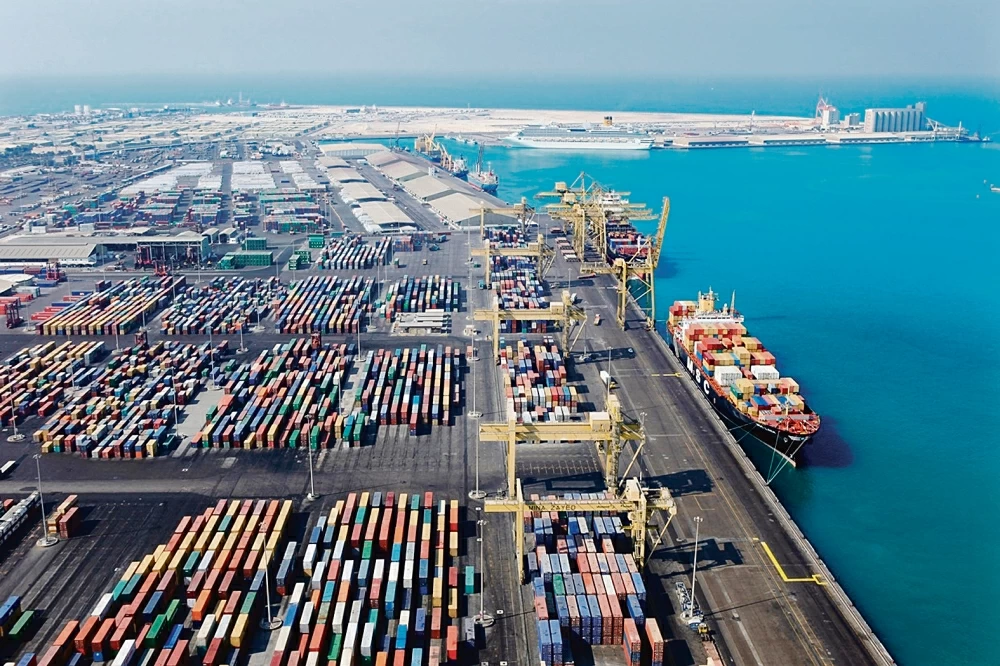
وتأتي الضربة على رأس لفان ضمن نمط أوسع من استهداف إيران للبنية التحتية للطاقة في الخليج منذ اندلاع الحرب، شمل هجمات بطائرات مسيّرة وصواريخ على منشآت نفطية ومرافق لوجستية في أكثر من دولة، من بينها محاولات استهداف منشآت في شرق السعودية، إضافة إلى حوادث طالت موانئ وخدمات شحن في الإمارات، فضلاً عن تهديدات متكررة لحركة الملاحة في مضيق هرمز.
Fitch directly linked the negative review to the escalating security risks in the Gulf, considering that the geopolitical environment may witness a more lasting deterioration even with expectations of the war ending within weeks.
This is the first official sovereign action announced by one of the three major rating agencies towards Qatar since the outbreak of the war, as Standard & Poor’s had affirmed the country’s rating at AA/A-1+ with a stable outlook on March 13.
Although the decision does not imply an immediate downgrade, it opens the door to the possibility of a downgrade if security risks persist or if energy infrastructure suffers further damage, or if disruptions in production and transportation lead to a significant deterioration in public finances and the external balance.
The gas sector is at the heart of these risks, following the strike that targeted the Ras Laffan complex, which preliminary estimates from QatarEnergy indicate disrupted about 17% of Qatar’s liquefied natural gas capacity for several years, with potential losses reaching 20 billion dollars annually.
These strikes have prompted QatarEnergy to declare a state of “force majeure” on some liquefied natural gas contracts, indicating that the disruption is no longer limited to operations but has extended to contractual obligations and global supplies.
The strike on Ras Laffan is part of a broader pattern of Iran targeting energy infrastructure in the Gulf since the outbreak of the war, which has included drone and missile attacks on oil facilities and logistical hubs in multiple countries, including attempts to target facilities in Eastern Saudi Arabia, in addition to incidents affecting ports and shipping services in the UAE, as well as repeated threats to shipping traffic in the Strait of Hormuz.
المصدر:
عرض الخبر من المصدر